


A decades-long era of formal nuclear arms limits between the United States and Russia came to an end Thursday with the expiration of a major treaty, marking the first time since 1972 that neither nation is bound by agreed caps on deployed strategic nuclear weapons.
The New START Treaty, negotiated during the Obama administration and in force since February 2011, officially expired February 4 without a replacement in place. The lapse comes as President Donald Trump has directed the Departments of War and Energy to prepare for potential changes to U.S. nuclear weapons policy, signaling a more hard-nosed approach to global security.
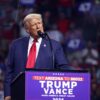
“If it expires, it expires,” Trump said in an interview last month. “We’ll do a better agreement.” He added that any future deal should likely involve more than just Washington and Moscow, suggesting that other global powers should also be brought to the table.
Under New START, the United States and Russia were limited to 700 deployed strategic delivery systems, such as intercontinental ballistic missiles, and no more than 1,550 deployed nuclear warheads. The treaty also capped total deployed and non-deployed launchers at 800. According to the State Department, the agreement placed limits on all Russian intercontinental-range nuclear weapons capable of reaching the United States in roughly 30 minutes.
The treaty’s expiration underscores the rapidly shifting global security environment. Russia had already suspended its participation in New START in 2023 amid its war with Ukraine, though Moscow claimed it would continue to observe the treaty’s limits. With the agreement now expired, those constraints are no longer binding.
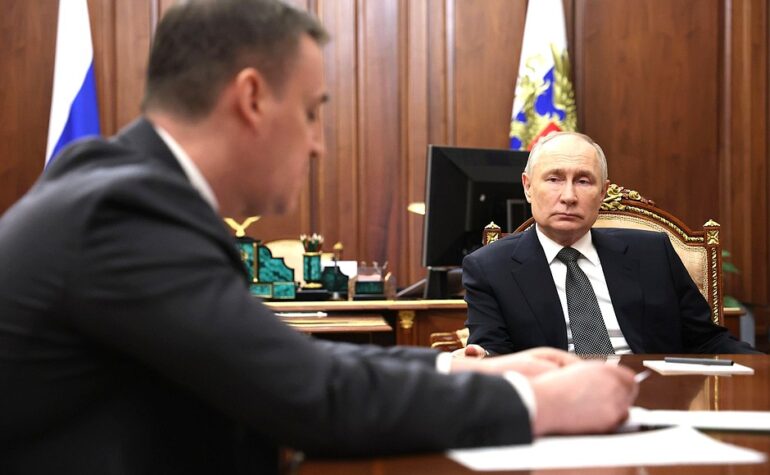
Kremlin spokesman Dmitry Peskov said Thursday that Russia’s next steps would be guided strictly by national priorities. He said future developments would depend on how events unfold, but emphasized that Russia would continue to approach strategic stability in a way it believes serves its own interests.
Trump has made clear he is unwilling to let adversaries exploit arms control agreements while expanding their own capabilities. In October, he said the United States would begin testing its nuclear weapons, arguing that the move was necessary because Russia and China were conducting secret tests. China, in particular, is rapidly expanding its nuclear arsenal and is projected to possess more than 1,000 nuclear warheads by 2030.
“We’re an open society,” Trump said at the time, contrasting U.S. transparency with what he described as secrecy from foreign powers. He argued that testing was essential to maintain credibility and deterrence.
Administration officials later clarified that the planned tests would be systems tests and would not involve nuclear detonations. The United States has not detonated a nuclear weapon since 1992.
While the expiration of New START raises concerns among arms control advocates, the Trump administration has emphasized diplomacy alongside strength. Since returning to office, Trump has pushed strongly to end the Russia-Ukraine war. On Thursday, special envoy Steve Witkoff announced that the United States, Russia, and Ukraine had agreed to a 314-person prisoner swap.
Witkoff described the agreement as the result of detailed and productive peace talks, saying that while significant work remains, the exchange demonstrates that sustained diplomatic engagement can deliver tangible results. He added that discussions would continue, with further progress expected in the coming weeks.
As formal arms limits fall away, the administration is signaling that future security arrangements will be shaped by realism, strength, and a willingness to challenge outdated frameworks—while still leaving the door open to deals it believes better reflect today’s global balance of power.
About Post Author

